
Case Study:Westminster, CO
Sanitary Sewer Main Replacement in a High-Density Utility Corridor
Problem: A faulty 290-foot sanitary sewer main installed by a previous contractor — with a belly causing flow failure — needed full removal and replacement at 18-foot depth, crossing beneath 17 active high-profile utilities including fiber optic lines serving Verizon Wireless towers from Denver to Utah.
Solution: Engineered trench shoring, hand excavation and support of all utility crossings, crushed granite groundwater mitigation, remote-control compaction, and end-of-day backfill compliance — zero utility incidents.
Skills Used: Deep trench excavation, utility crossing and support, sanitary sewer installation, trench box staging, groundwater mitigation, manhole core and collar work, remote-control compaction, field engineering.
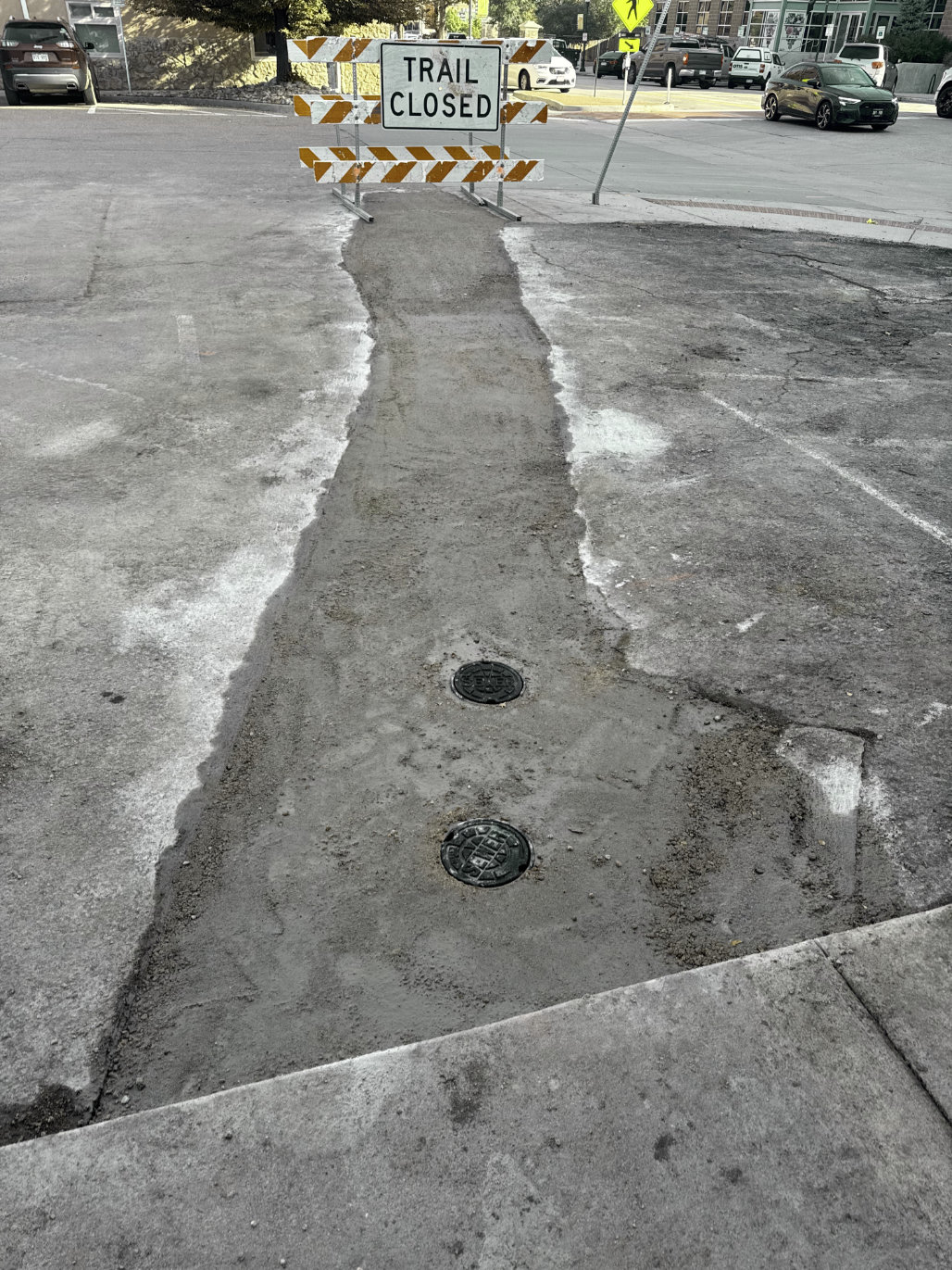
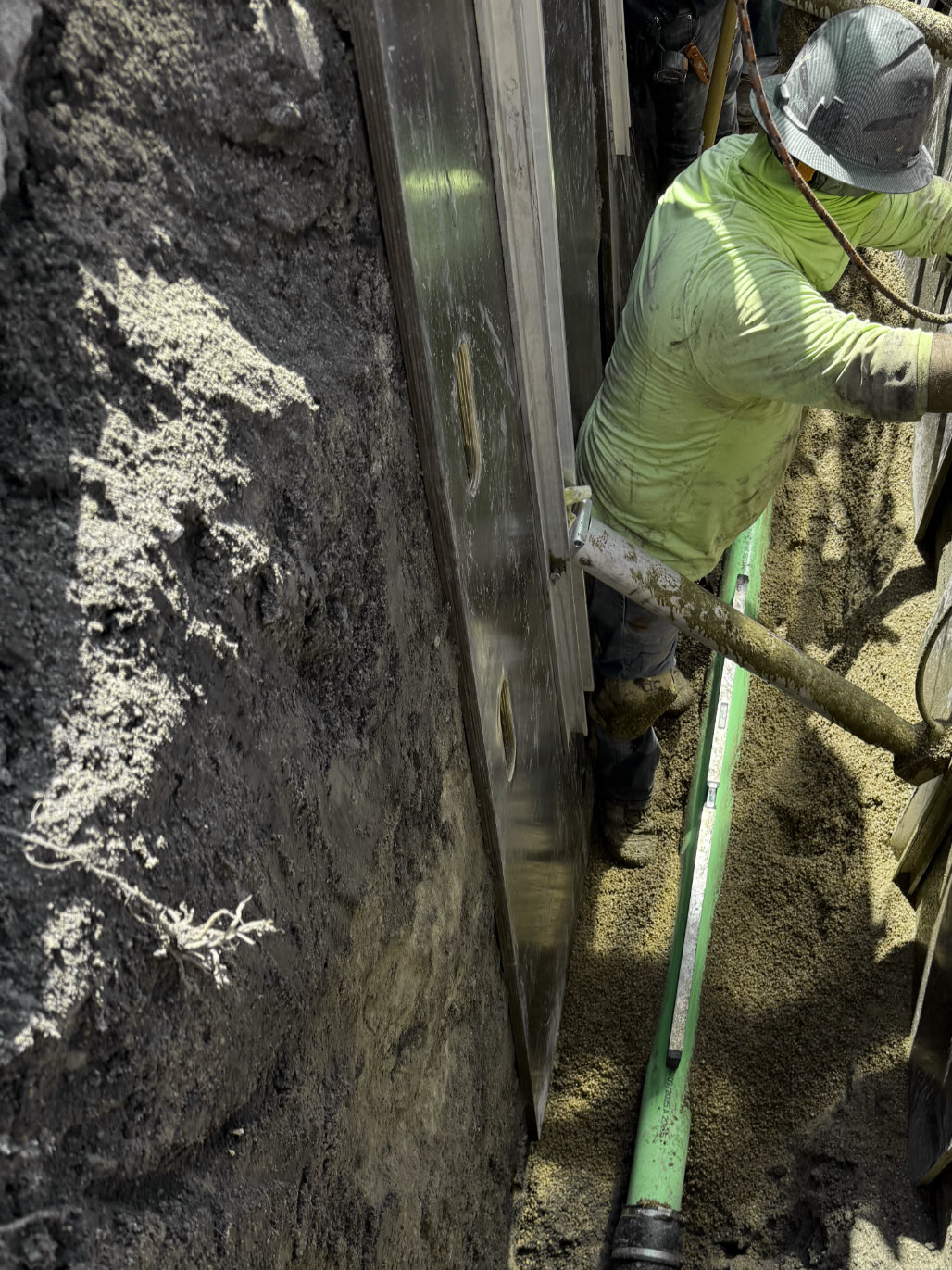
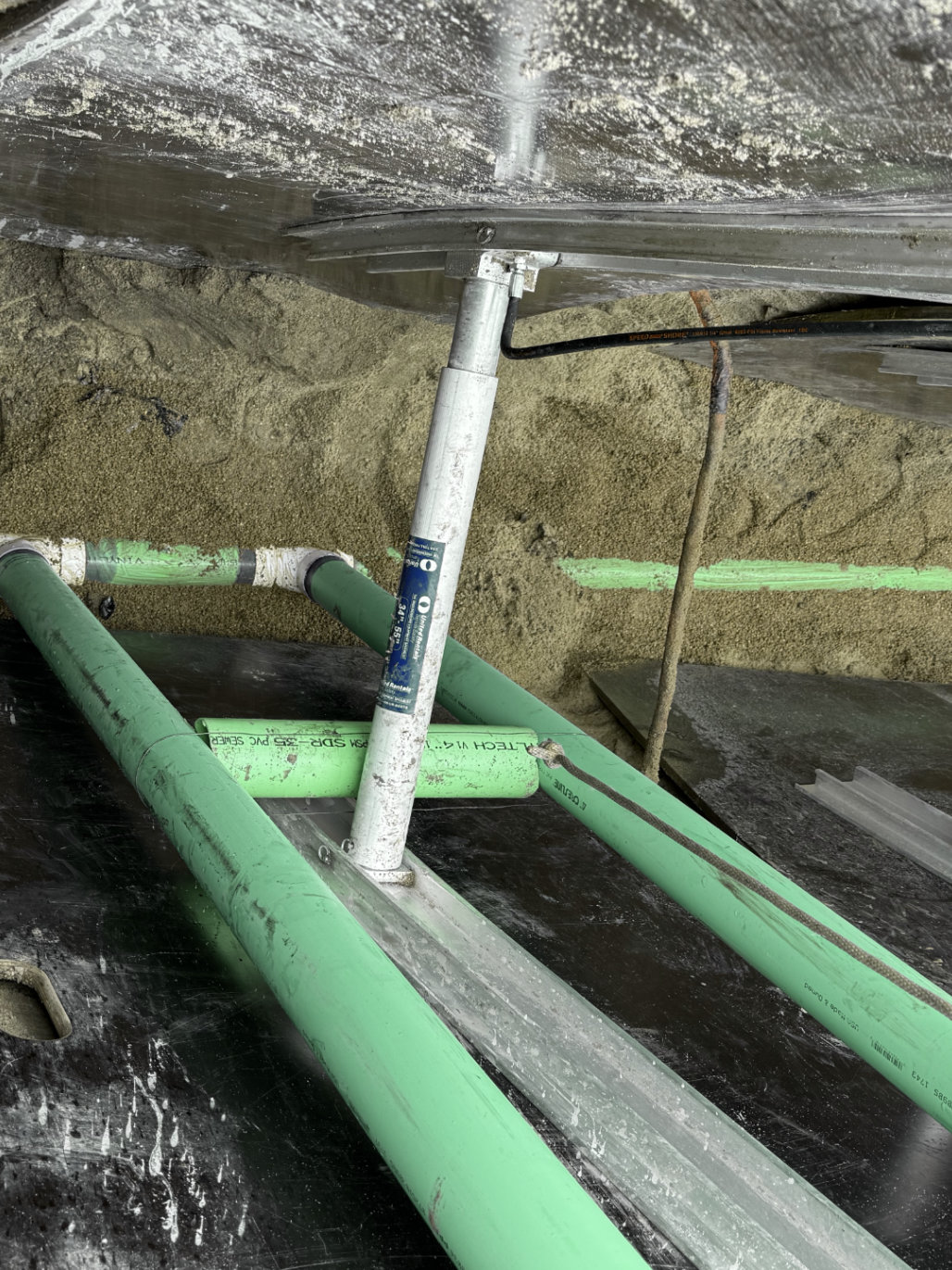
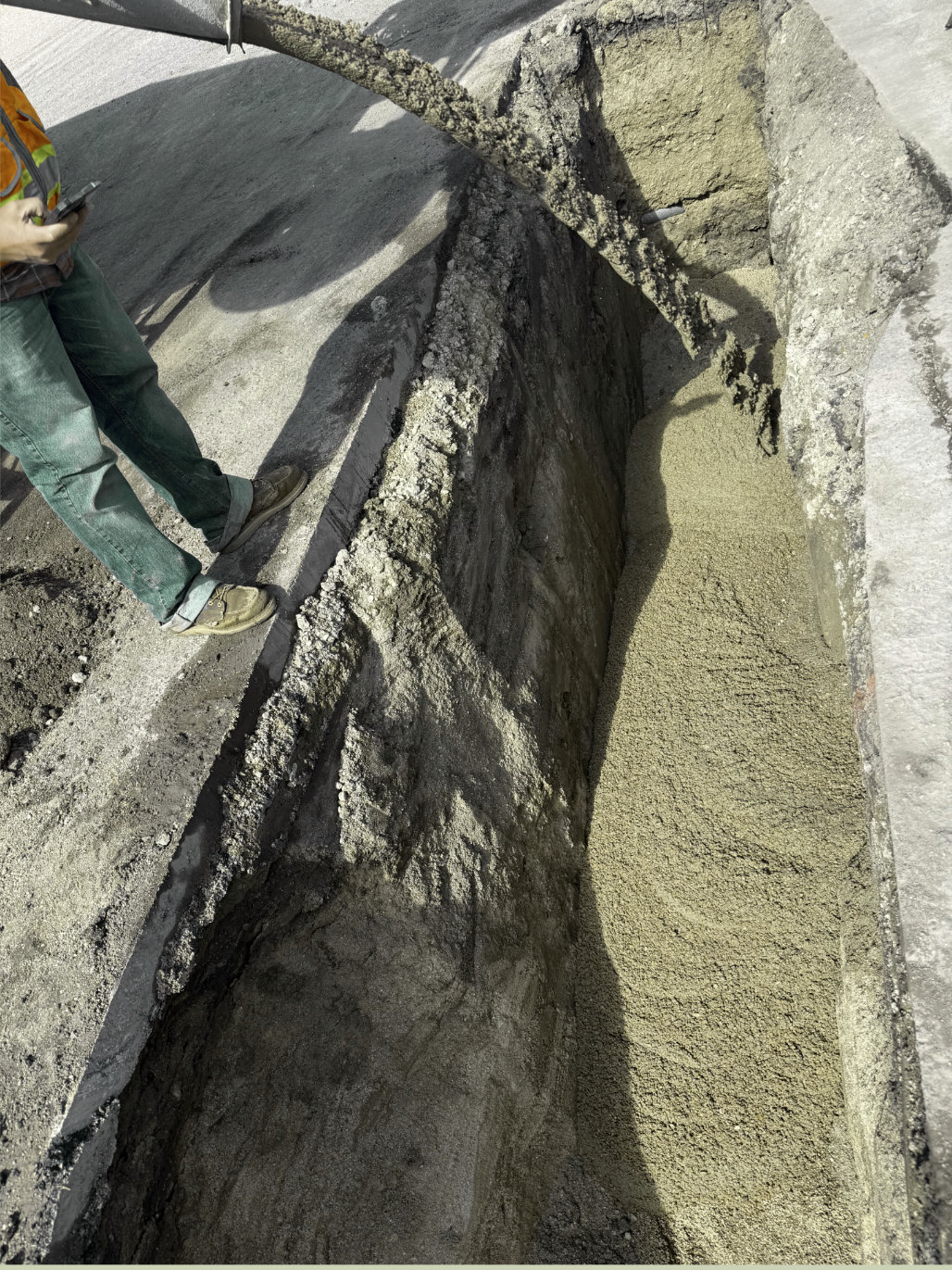
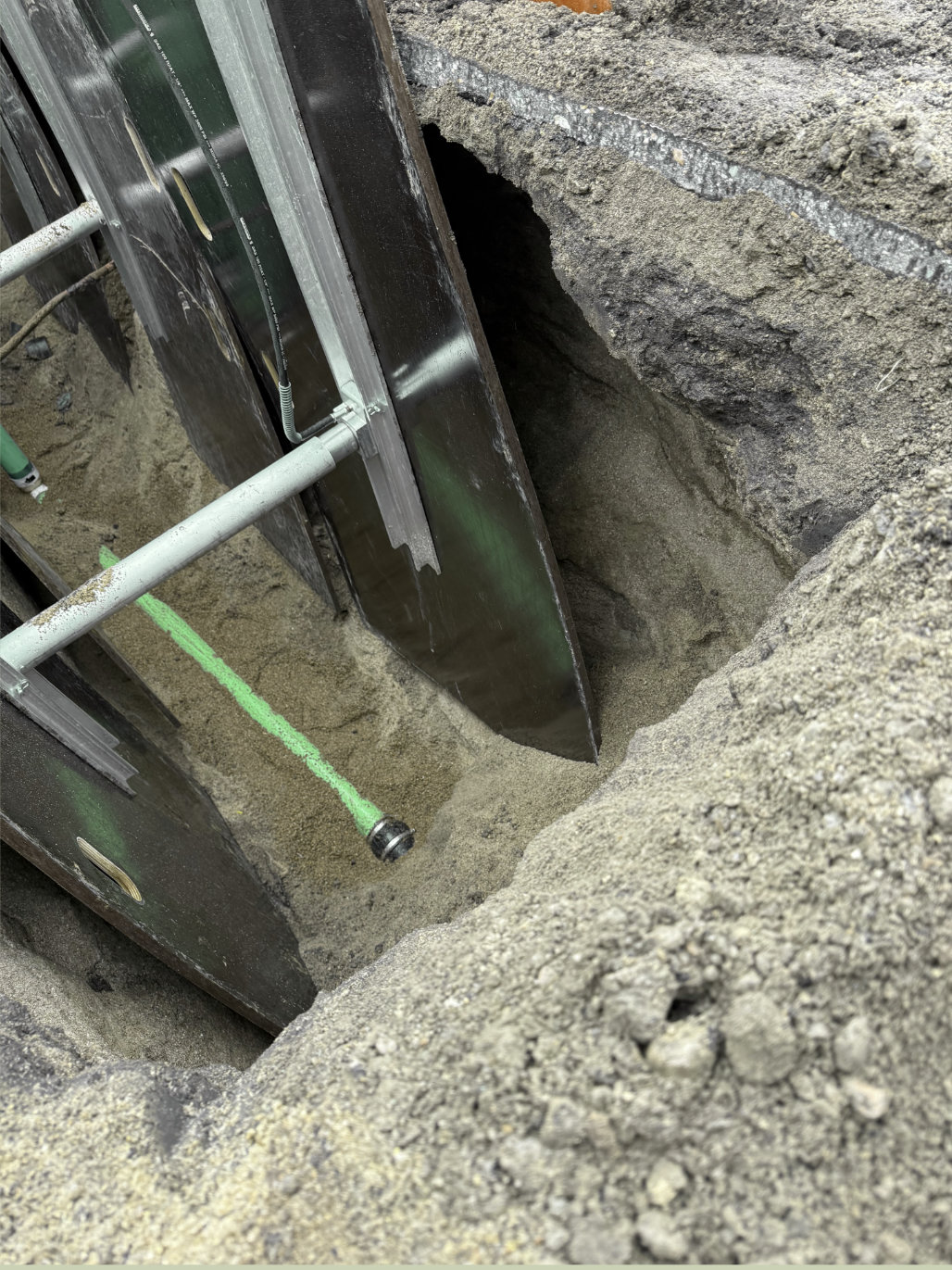
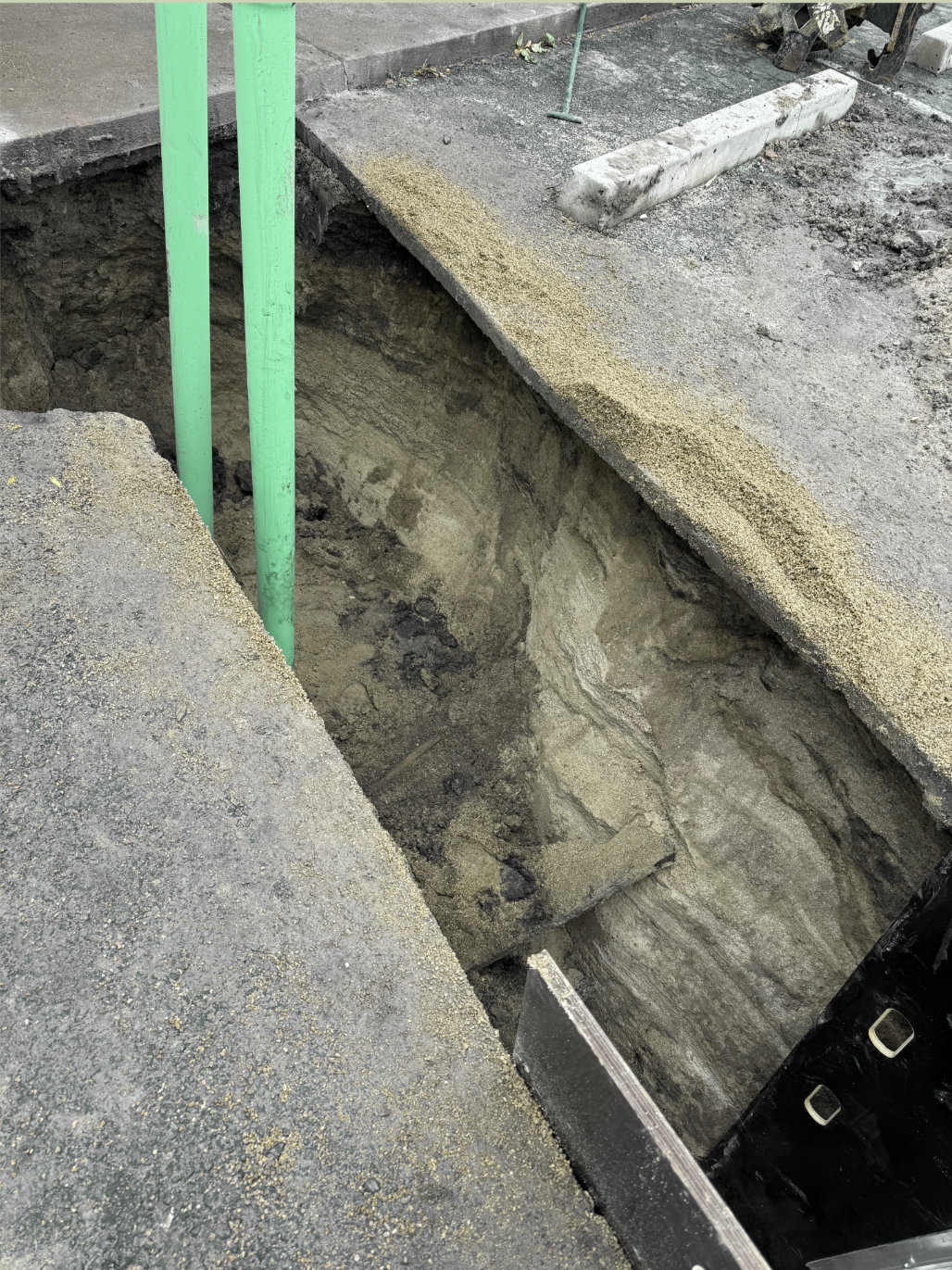
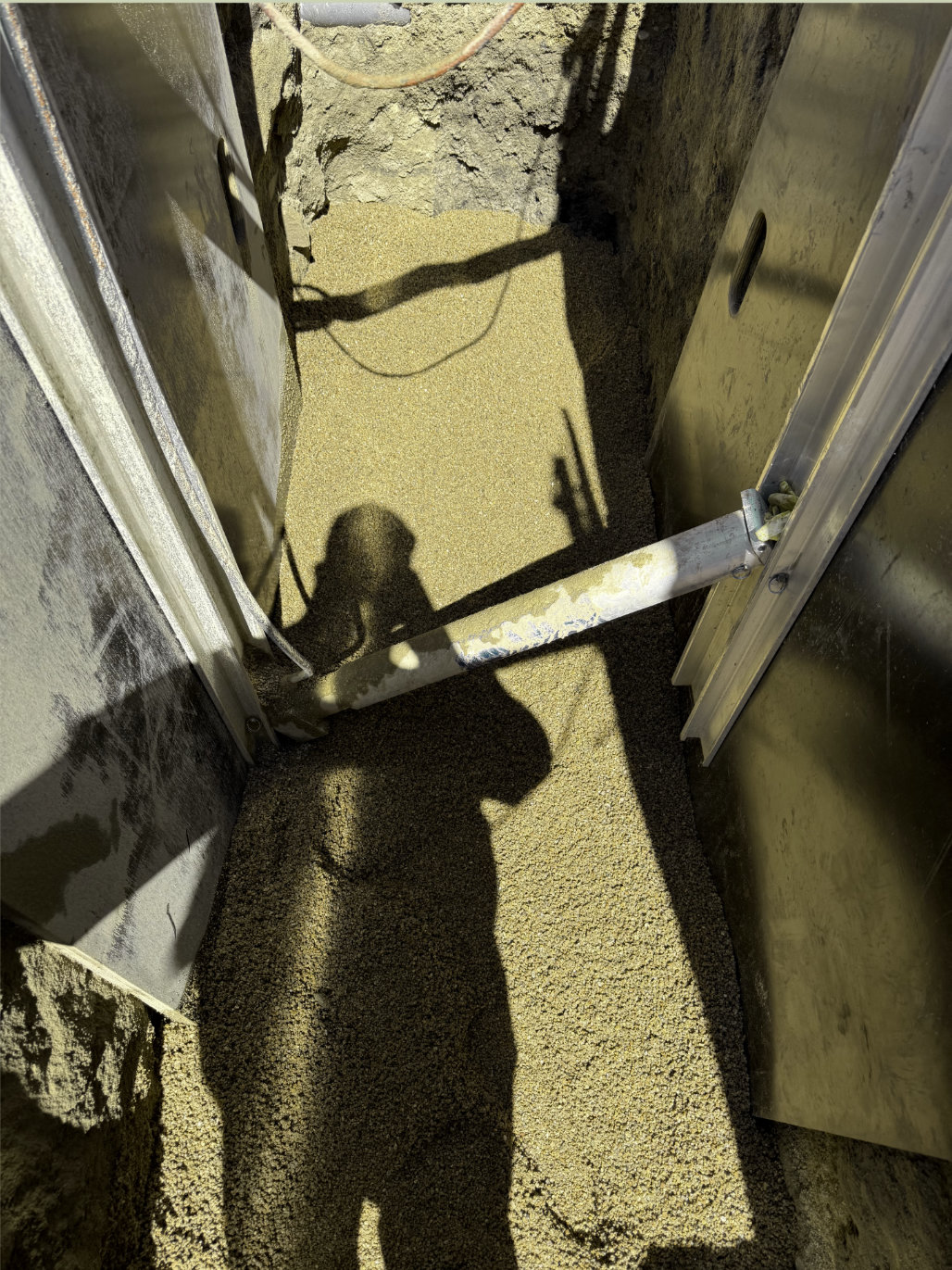
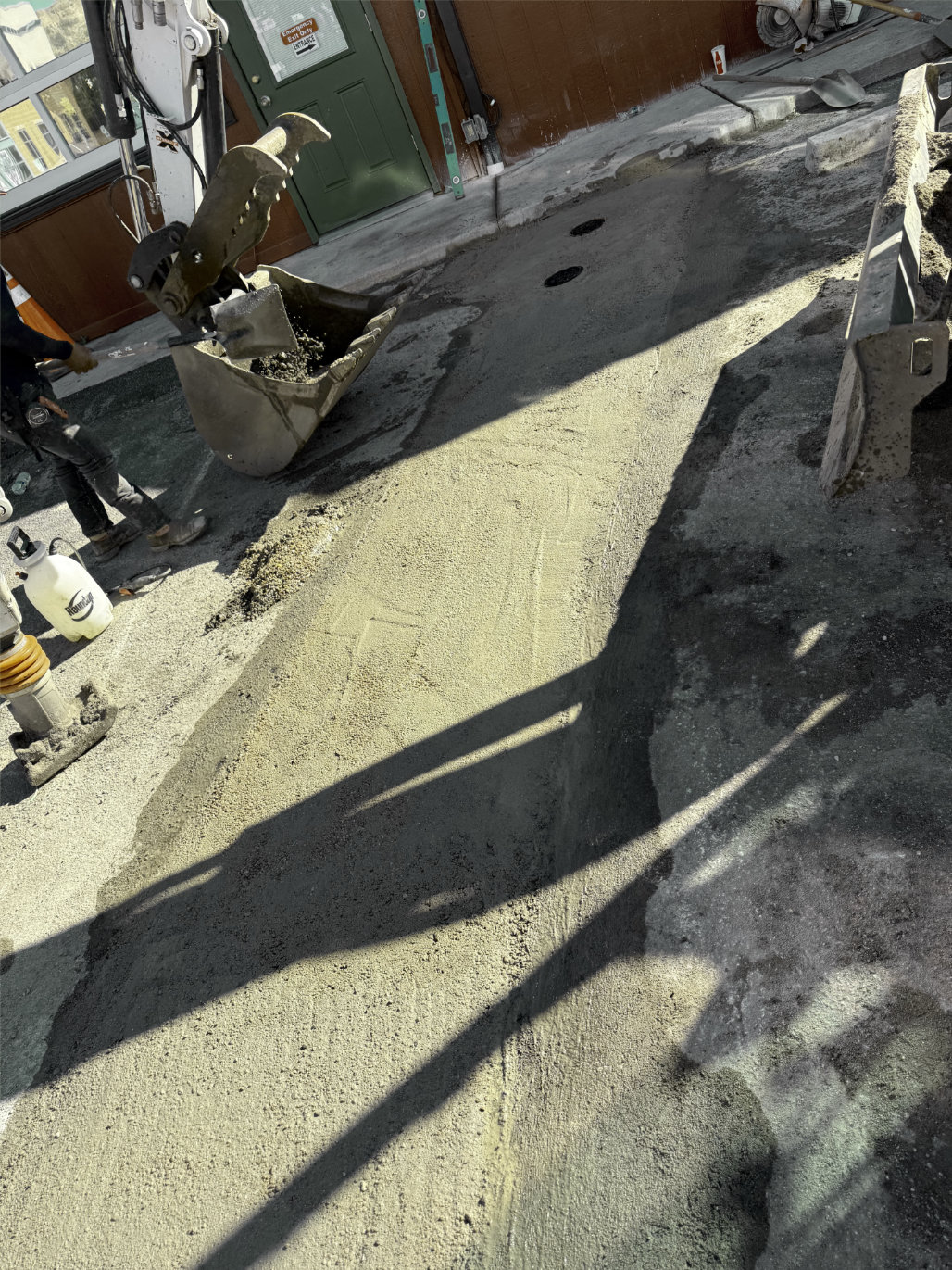
A local sanitation district needed to correct a faulty 8-inch sanitary sewer main installation — a belly in a 290-foot section was compromising flow and required full replacement. The location made it one of the most utility-dense excavation projects CJB's Excavation has executed thus far.
The trench ran 18 feet deep and crossed beneath 17 high-profile utilities, including two transmission water mains, two high-pressure steel gas mains, a 24-inch city irrigation culvert, multiple fiber optic lines — including a Verizon Wireless backbone line serving cell towers from Denver to Utah — plus electric lines and additional water and gas infrastructure. Each crossing required hand excavation and individual utility support. The civil engineer's plans contained elevation errors throughout, requiring field verification of every utility before work could proceed. At 16 feet, the team hit groundwater — increasing cave-in risk and requiring an engineered solution to stabilize the trench bottom. The district also required full trench backfill at the end of every working day.
CJB's Excavation deployed two 10-foot steel trench boxes, double-stacked, combined with strategic sloping to manage the 18-foot depth safely. Every utility crossing was hand-dug, pot-holed, and individually supported — no exceptions. To address the groundwater, CJB's Excavation proposed and executed a 2-foot over-excavation below the sewer invert, installing three-quarter-inch crushed granite as a free-draining, stable pipe bed — preventing settlement in saturated conditions. All plan elevation discrepancies were field-verified and corrected on site. Manhole tie-ins on both ends required coring through existing structures, elevation adjustments, and new interior and exterior collars. During backfill, a remote-control vibratory sheep's foot roller was used to compact each lift without requiring anyone to enter the trench — a step beyond standard practice, and a direct reflection of CJB's Excavation commitment to crew safety.
All 290 feet were replaced without a single utility strike. Every inspection was passed, the road and curb and gutter were restored to specification, and the district has a properly functioning main for the first time since original installation. The project was completed on schedule, within the district's daily backfill requirement, and with a zero-incident safety record.